
Why Regular Equipment Calibration Is Important for Perth Businesses
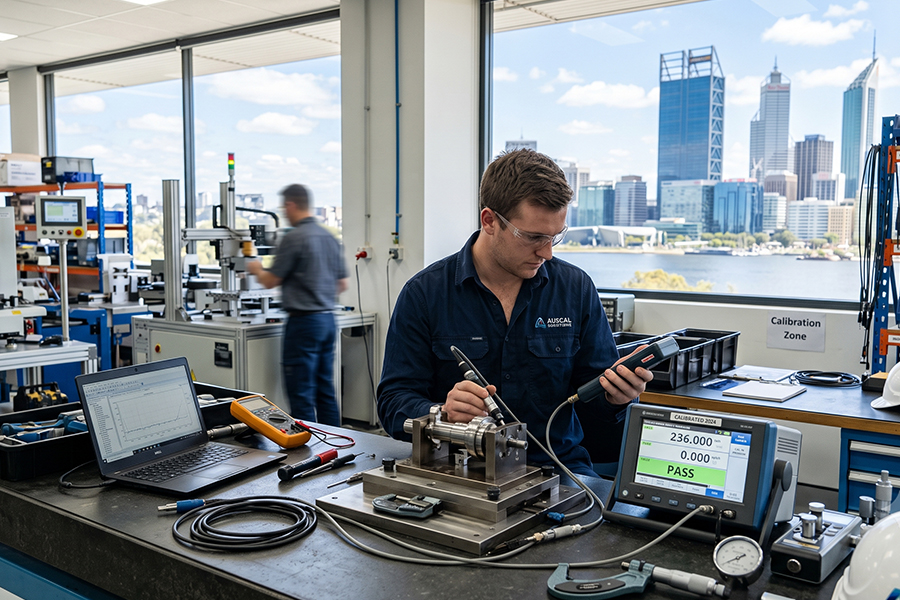
Accurate equipment is essential for businesses that depend on reliable measurements, consistent production, and safe working conditions. From laboratories and manufacturing facilities to workshops, healthcare environments, and industrial sites, even a small measurement error can affect quality, compliance, and customer confidence. Professional calibration services Perth businesses use help confirm that instruments are performing within the required standards and producing dependable results.
What Calibration Involves
Calibration is the process of comparing an instrument’s performance with a recognized reference standard. If a difference is identified, qualified technicians can document the result, make approved adjustments where possible, and issue records showing the equipment’s condition. This provides businesses with evidence that their measurements have been assessed systematically.
The process may apply to pressure gauges, temperature sensors, electrical test instruments, scales, torque tools, flow meters, dimensional equipment, and many other devices. The exact method depends on the instrument, its intended use, the required accuracy, and the conditions in which it operates.
Protecting Product Quality
Businesses often rely on measurements to control raw materials, monitor production, test finished goods, and confirm that products meet specifications. An instrument that reads incorrectly may cause materials to be accepted or rejected for the wrong reasons. It can also lead to inconsistent batches, rework, waste, customer complaints, and unnecessary production costs.
Regular calibration helps identify measurement drift before it affects a large volume of work. By comparing current results with previous records, businesses can also recognize patterns and determine whether an instrument needs adjustment, repair, replacement, or a shorter calibration interval.
Supporting Workplace Safety
Measurement accuracy is not only a quality issue; it can also be a safety requirement. Incorrect readings from electrical testers, pressure instruments, temperature controls, gas detection devices, or weighing equipment may create risks for employees, customers, and the surrounding environment.
A consistent calibration program supports safer decisions because workers can rely on the instruments used to monitor hazardous conditions. Equipment should be removed from service when it is damaged, outside tolerance, or otherwise unsuitable for the task. Clear identification and accurate records help prevent unverified instruments from being used accidentally.
Meeting Standards and Customer Expectations
Many industries operate under technical standards, regulatory requirements, contracts, or internal quality systems that require equipment to be calibrated at defined intervals. During an audit, businesses may need to demonstrate when an instrument was tested, which standard was used, what results were recorded, and when the next calibration is due.
Well-organized records show that the business takes measurement control seriously. They can support accreditation, supplier approvals, customer audits, and investigations into quality issues. Calibration certificates should be stored securely and linked to the correct equipment identification number.
Reducing Operational Disruption
Calibration does not have to interrupt business activity when it is properly planned. Companies can create an equipment register, identify critical instruments, group suitable devices for service, and schedule work during planned maintenance periods. Risk-based intervals may also help focus attention on equipment that has the greatest effect on safety, quality, or compliance.
For businesses with instruments installed across multiple locations or difficult-to-remove equipment, on-site calibration can provide a practical alternative. Qualified technicians can assess equipment at the workplace, reducing transport requirements and helping return essential instruments to service more efficiently. The approach remains dependent on the instrument, the required reference standards, and the conditions needed for accurate testing.
Building Confidence Through Accuracy
Regular calibration is an investment in dependable operations. It helps Perth businesses protect quality, support safety, meet documented requirements, and make decisions based on trustworthy data. ETCSVS works with organizations to understand their equipment, calibration needs, and operational priorities, providing a structured approach to measurement confidence. With the right program in place, businesses can reduce uncertainty and maintain greater control over the work that matters most.